Fuels in America, 1776–2026
July 5, 2026
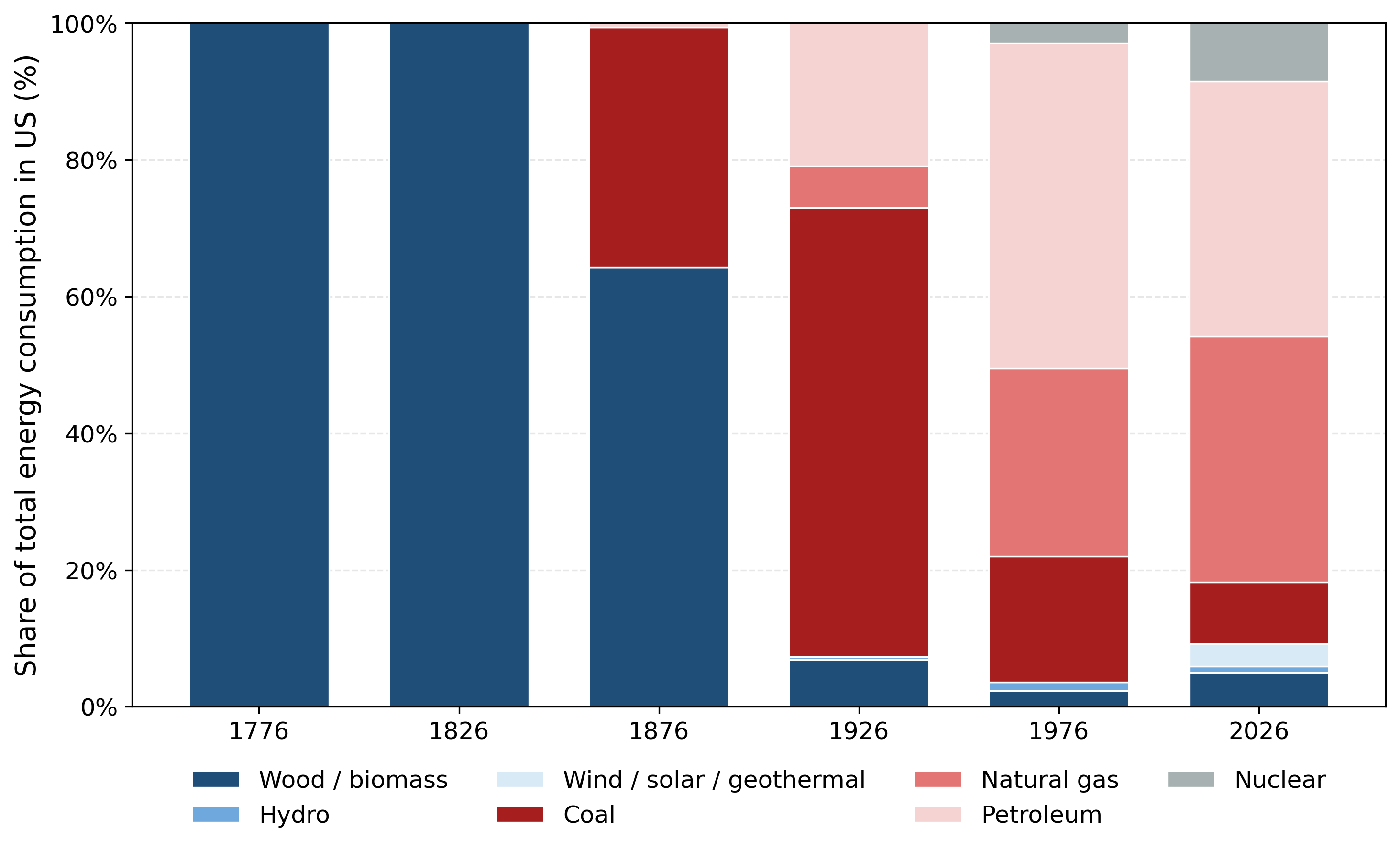
Over the past 250 years, different fuels have powered the U.S. For the country’s
first 100 years, burning wood allowed for home heating, cooking, blacksmithing, and clearing
land for agriculture. Using wood as a fuel source was renewable, but not sustainable, and by
the early 1900s around 30% of the country’s forests had been cleared. The mid-1800s saw the
start of the coal age, which would power steam engines, factories, railroads, and eventually
the electric grid. In the early to mid 1900s, the streets began to fill with automobiles,
ushering in a shift from coal to oil for powering transportation. By the bicentennial,
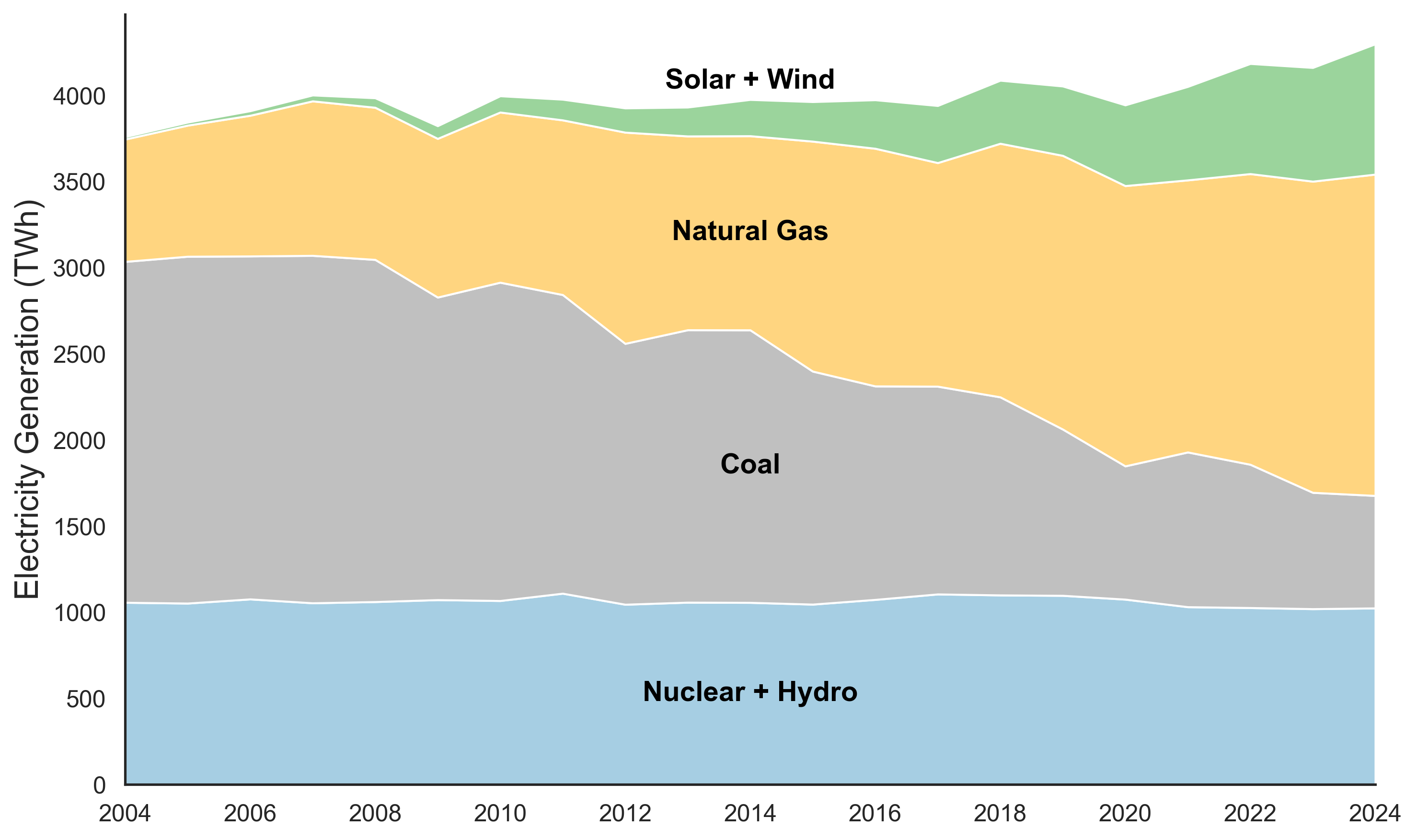
natural gas had surpassed coal as more homes and businesses used it for heating. Today, fossil
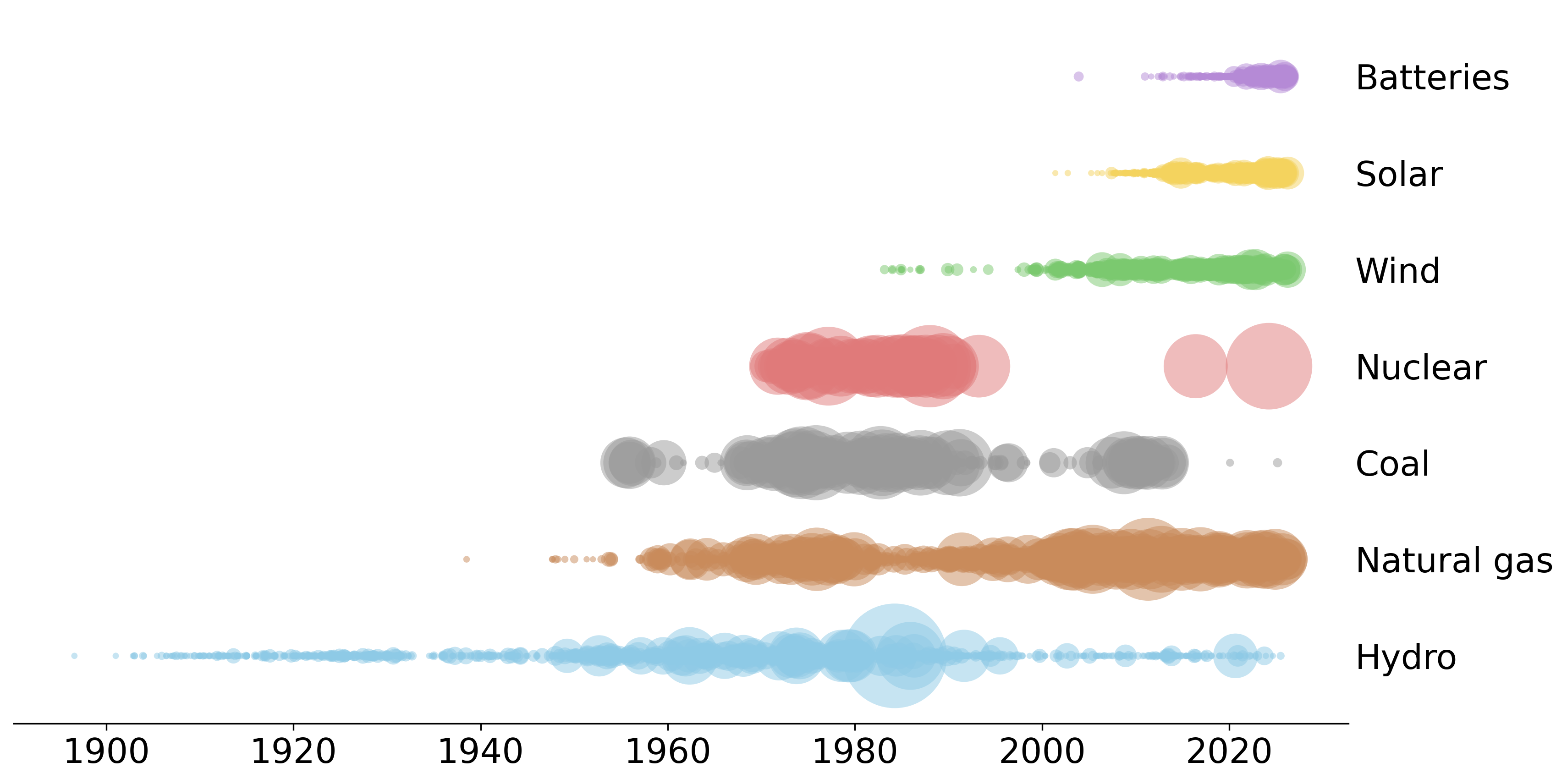
fuels still account for 85% the primary energy mix, but new carbon-free sources have grown
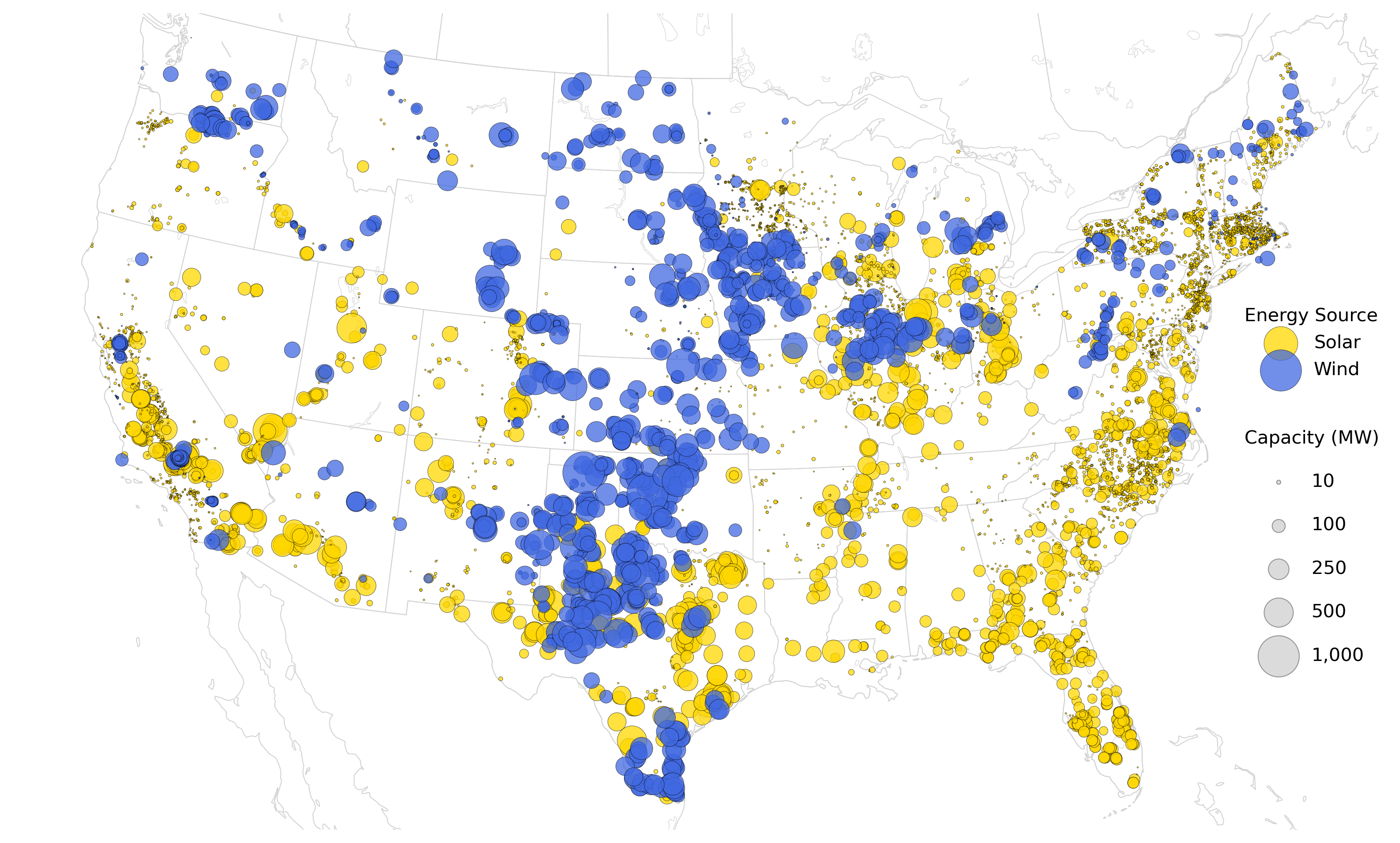
rapidly, with much of that growth in the past decade. Wind and solar now produce 3.3% of energy used in the
United States, on top of the nuclear, hydro, and biofuel fleet that produces 12% of
primary energy. Source: EIA.